Government & public institutions
Explore technical studies, capacity programmes and shared-facility preparation with clear outputs, milestones and reporting.
 Partner with Doru ↗
HIMALAYAN ROOTS. A TECHNICAL PURPOSE.
Connecting textile knowledge with the people who put it to work.
Doru is a new Section 8 institution in Kullu, developing research, technical support and shared capability across the textile value chain.
Choose your group. Talk to us directly.
Connect for wool
Talk on WhatsAppConnect with your craft
Talk on WhatsApp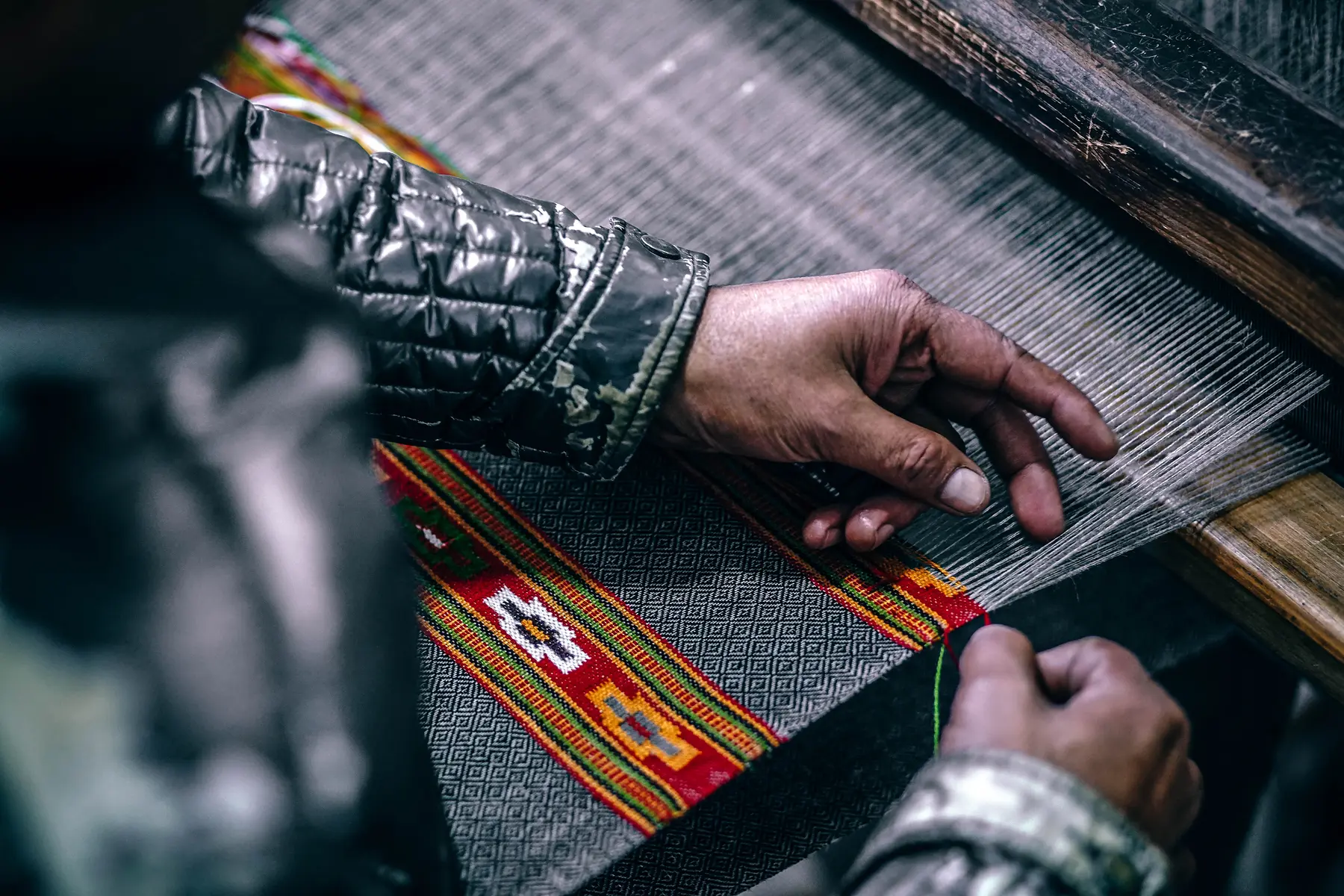
Connect your group
Talk on WhatsApp01 / OUR PURPOSE
Producers carry knowledge built through years of practice. Turning that skill into stronger production also takes access to suitable technology, testing, quality systems and technical guidance.
Doru’s purpose is to help connect these capabilities. Its founding mandate brings research, standardisation, common infrastructure and capacity development into a shared institutional framework for the textile value chain.
Newly established in 2026, Doru is shaping its first programmes with prospective government, CSR, research and producer partners.
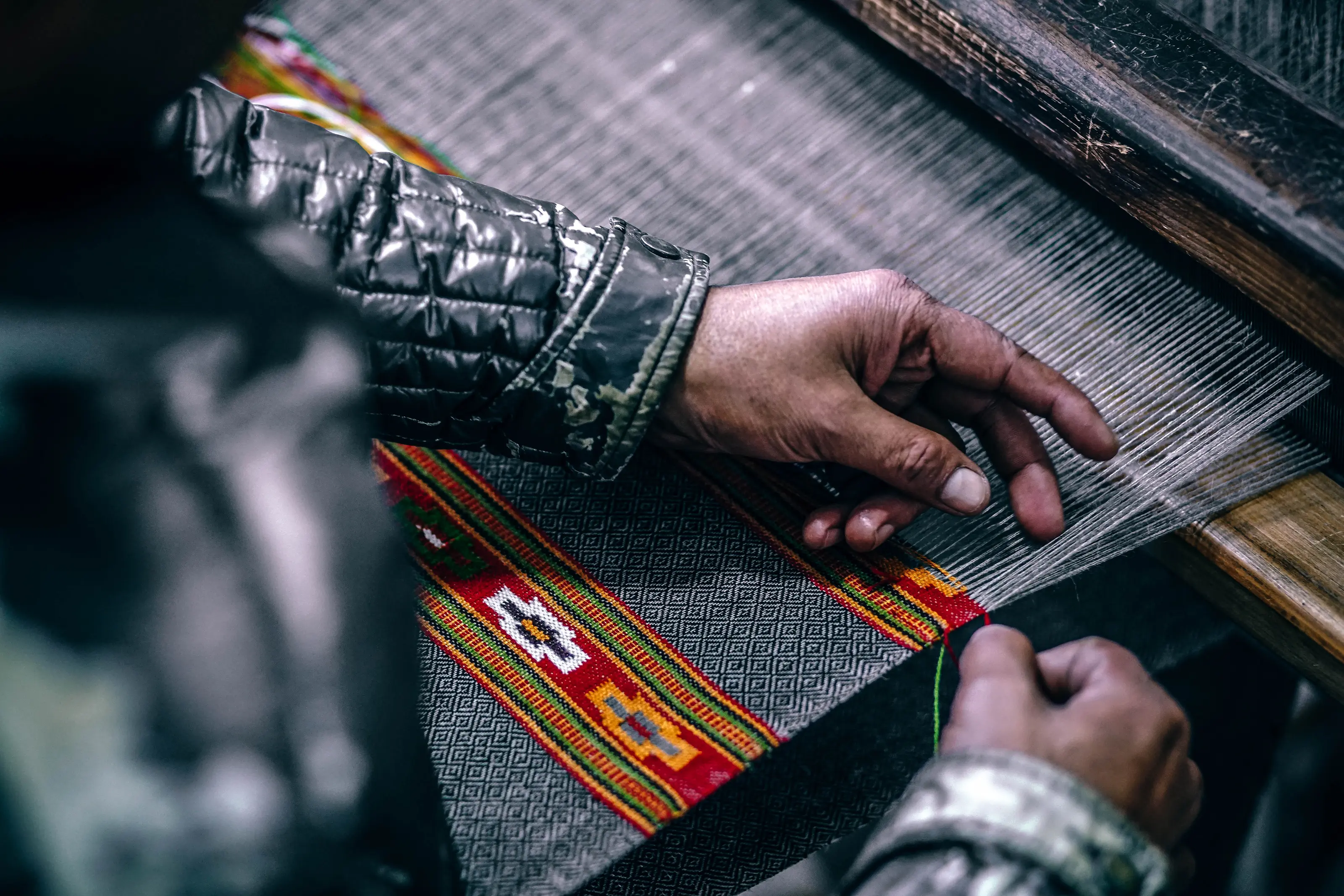
CONNECTED ACROSS THE VALUE CHAIN
Himalayan wool gives Doru its identity. Its registered objects cover technical support across the end-to-end textile value chain in Himachal Pradesh.
02 / PROGRAMMES TO DEVELOP TOGETHER
These proposed programme options provide a starting point for joint scoping. Each would be developed around a participant group, technical need, delivery partners and agreed resources.
For fibre producers and processors: assess material variability, arrange appropriate testing and trial suitable processing and handling practices.
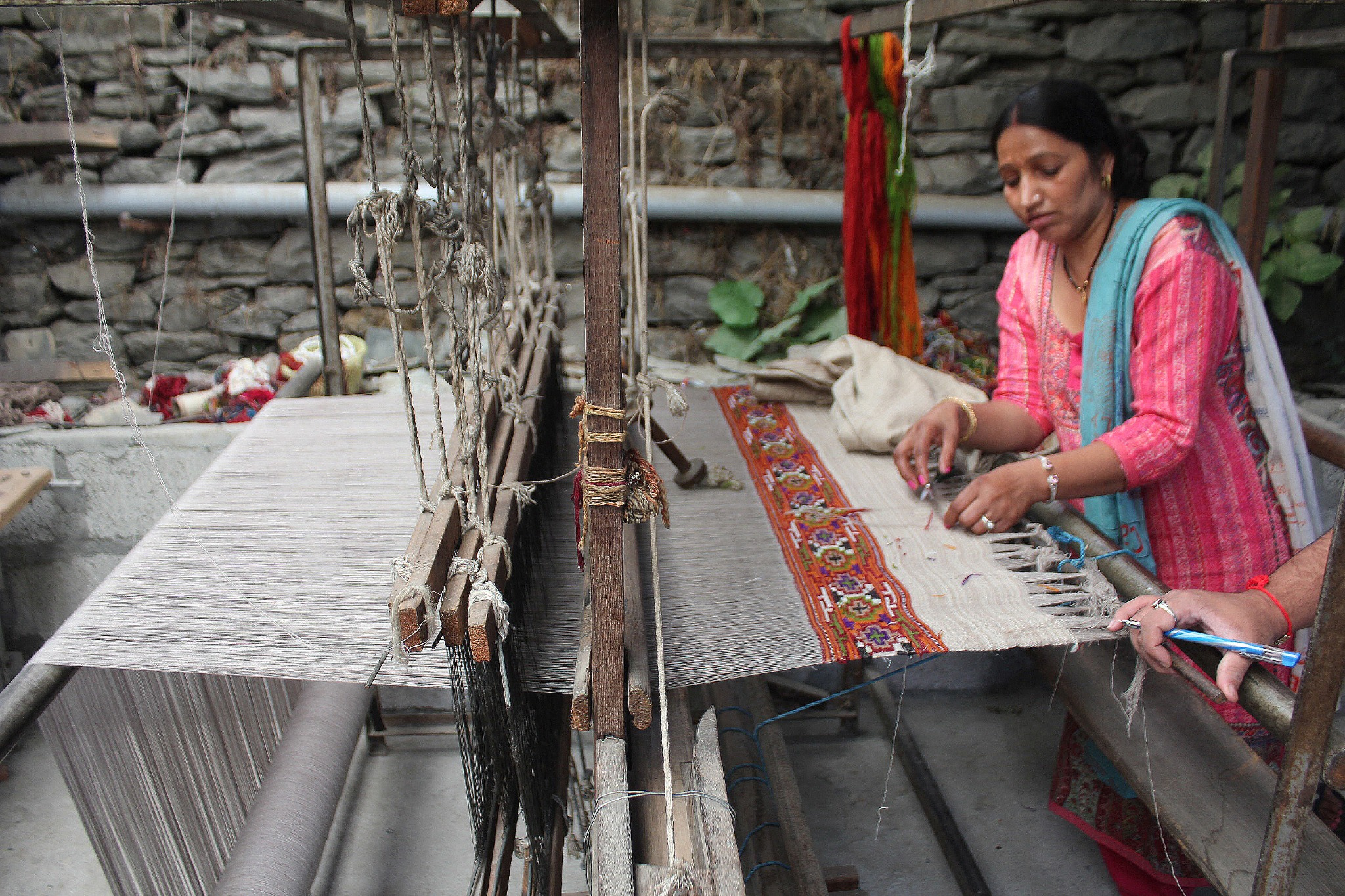
For weaving, knitting and textile production groups: diagnose process constraints and pilot technical improvements in the production setting.
For producer groups and public partners: assess demand and prepare a common technical facility concept, including the services and operating arrangements it would need.
For producers, operators and local technical teams: combine demonstrations, supervised practice and follow-up support around a defined skill need.
For micro and small production groups: identify testing needs and develop usable quality procedures with competent technical partners.
For producers facing a specific technical bottleneck: compare suitable solutions and validate one through a focused pilot.
03 / OUR PROPOSED APPROACH
An agreed scope, baseline, budget and division of responsibilities would guide each engagement.
Map production practices, participants and technical gaps.
Needs assessment + baselineDefine the intervention, expertise, resources and milestones.
Agreed programme planTest feasibility and refine the method with participants.
Trial findings + revised methodCombine implementation with practice and technical support.
Local skills + working methodsCompare results with the baseline and plan the next stage.
Results review + next steps
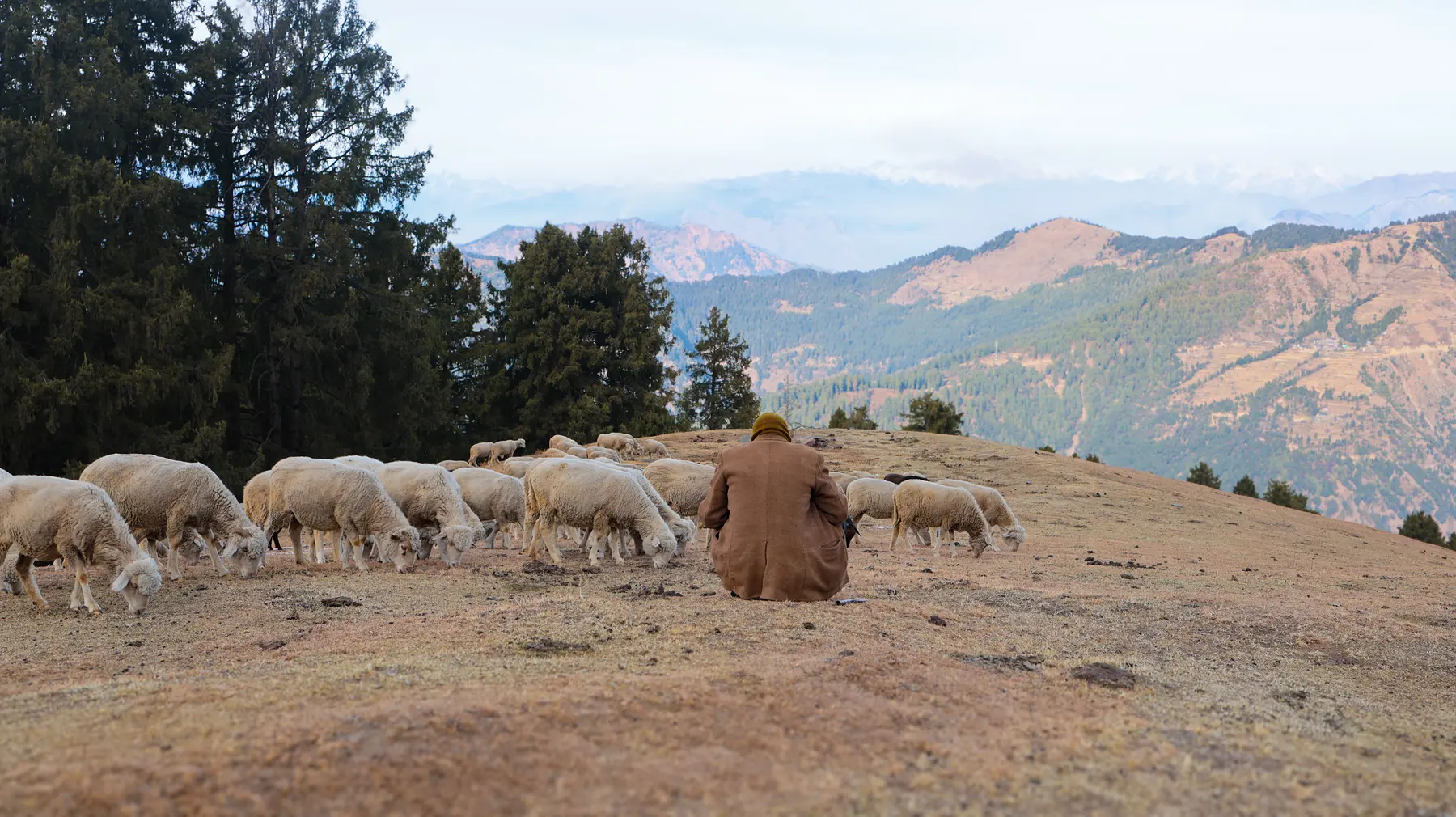
From shepherds to weavers — connecting local knowledge, wool and livelihoods.
04 / COLLABORATION
A programme can begin with one location, one participant group or one production challenge. The first conversation is about what needs to change and what it would take to deliver it.
Explore technical studies, capacity programmes and shared-facility preparation with clear outputs, milestones and reporting.
Develop a defined public-benefit programme with participant selection, delivery partners, budget and measurable results, subject to applicable requirements.
Bring specialist research, testing or training capability to a jointly defined production problem.
JOIN THE DORU NETWORK
We welcome expressions of interest from shepherds, weavers and industrial cooperatives in Himachal Pradesh. Tell us what you do, where you work and the support or collaboration you are looking for.
Connect around wool quality, handling, processing needs and links across the wool value chain.
Join as a shepherd ↗Share your craft, production capabilities and needs for skills, technical guidance or common facilities.
Join as a weaver ↗Explore group programmes, shared technical services and facility planning for your members.
Connect your cooperative ↗Individuals, informal producer groups and registered cooperatives can express interest. Please include your village or district so we can understand your local context.
This is an expression of interest. Participation in future programmes will depend on their scope, eligibility and available resources.
05 / INSTITUTIONAL FOUNDATION
Doru Himalayan Wool Research Center was incorporated on 27 May 2026 as a Section 8 company. Its income and property are directed towards its stated objects; profits are not distributed as dividends to members.
Download the institutional profile ↗LET US BEGIN
Tell us the location, participant group and technical challenge you have in mind.
Email Doru ↗Discuss on WhatsApp ↗Email opens your email application. WhatsApp opens an external chat.